Rooted in the Land: The Real Story Behind Canadian Farm-to-Table Dining
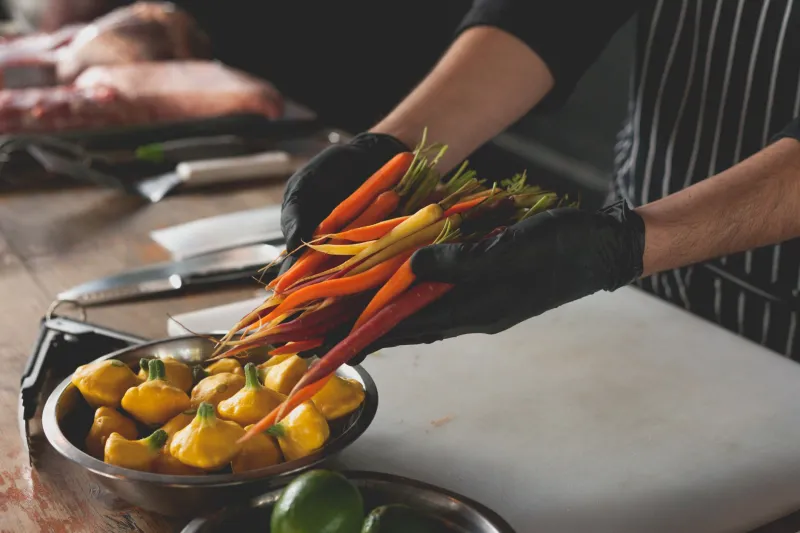
There's a moment every spring when something shifts in the kitchen at Resto Maynard. The winter root vegetables that have anchored the menu for months start making way for the first tender greens, the earliest radishes, the hopeful shoots that signal a new growing season. It's a transition that doesn't happen overnight, and it doesn't happen by accident. It happens because of relationships — real, ongoing conversations between our kitchen team and the farmers, foragers, and producers who work the land around us.
That's what farm-to-table actually looks like in Canada in 2024. Not a buzzword. Not a line on a menu. A living, sometimes complicated, always meaningful connection between the people who grow food and the people who cook it.
What 'Local' Really Means in a Country This Size
Canada is enormous. That's obvious, but it's worth saying out loud when we talk about local sourcing, because the word "local" means something very different depending on where you're standing. A restaurant in Vancouver has access to year-round produce from the Fraser Valley, mild coastal seafood, and some of the most diverse agricultural land in the country. A kitchen in Winnipeg navigates a dramatically different reality — brutal winters, a short but intensely productive growing season, and a food culture that has historically leaned on preservation, fermentation, and root cellaring out of pure necessity.
For chefs working in those colder climates, the farm-to-table philosophy isn't just about freshness. It's about ingenuity. It's about learning which local producers are doing incredible work with greenhouse growing, which foragers are harvesting wild mushrooms and berries even in shoulder seasons, and which farmers have mastered cold storage techniques that keep root vegetables tasting genuinely vibrant well into February.
At Resto Maynard, we think about this constantly. Our menu shifts aren't just aesthetic — they're a direct reflection of what's actually available from our regional suppliers at any given moment.
Building Trust With the People Behind Your Ingredients
One of the things that rarely gets talked about in the farm-to-table conversation is the trust involved. Chefs who source locally aren't just placing orders — they're entering into relationships that require flexibility, communication, and a genuine willingness to let the land dictate the menu rather than the other way around.
That means sometimes a crop comes in smaller than expected, or a late frost wipes out what you were counting on for a signature dish. It means being willing to call an audible on a Thursday afternoon because your produce delivery looked different than anticipated. It also means having those conversations with farmers ahead of time — understanding their planting schedules, their challenges, their capacity — so that your kitchen team isn't left scrambling.
The chefs who are doing this well in 2024 talk about their supplier relationships the way other people talk about long friendships. There's history there. There's mutual respect. There's a kind of loyalty that goes both ways.
"You have to be willing to take the whole harvest sometimes," one Ontario-based chef told us recently. "If a farmer grew something specific for your menu and you can't use all of it, that's on you to figure out. That's part of the relationship."
The Seasonal Menu as a Living Document
For diners who haven't experienced a genuinely seasonal menu, it can take some adjustment. We've all grown accustomed to the idea that restaurants offer the same dishes year-round — that you can order a tomato-based anything in January and not think twice about it. Shifting away from that expectation is part of what makes true farm-to-table dining feel different.
At Resto Maynard, we've found that most of our guests actually love the seasonal rotation once they understand what's behind it. There's something exciting about knowing that the dish you're eating right now — this particular preparation of this particular ingredient — is only available for a few weeks. It makes the meal feel more immediate. More honest.
Our kitchen team builds the menu around what's coming, not just what's here. We're always in conversation with our suppliers about what's weeks away, what's about to peak, what we should be thinking about preserving now for use later. That forward-thinking approach is what allows us to offer continuity even as individual ingredients rotate in and out.
Foragers, Fishers, and the Producers You Don't Always Hear About
Farm-to-table tends to conjure images of vegetable fields and grain farms, but the Canadian food landscape is so much richer than that. Some of the most exciting sourcing happening in Canadian restaurants right now involves wild-harvested ingredients — fiddle heads from New Brunswick forests, chanterelles from the Pacific coast, Arctic char from northern waters, wild rice from Indigenous-harvested lakes in Ontario and Manitoba.
These relationships carry a particular kind of responsibility. Working with Indigenous food producers and harvesters means engaging with traditions and knowledge systems that predate modern agriculture by thousands of years. The chefs who are doing this thoughtfully are building genuine partnerships — paying fair prices, crediting their sources publicly, and learning the cultural context behind the ingredients they're using.
It's a conversation that the Canadian food industry is still figuring out how to have well, but the restaurants that are approaching it with humility and intention are producing some of the most compelling food in the country right now.
Why It Costs More — And Why It's Worth It
Let's be honest about something: genuinely local, seasonally sourced food costs more to produce. Small-scale Canadian farmers aren't working with the same economies of scale as industrial suppliers. Foragers can't guarantee volume. Artisan producers — the cheesemakers, the small-batch preservers, the heritage grain millers — are doing labour-intensive work that simply can't be priced the way commodity products are.
When you eat at a restaurant that's genuinely committed to local sourcing, some of that cost is reflected in what you pay for your meal. We think it's worth being upfront about that. What you're paying for isn't just the food on your plate — it's a food system that keeps money in Canadian communities, supports farmers who are doing things right, and produces ingredients that genuinely taste better because they haven't travelled halfway around the world to reach your fork.
At Resto Maynard, we believe that's a trade-off worth making. And based on the conversations we have with our guests every week, we think a lot of Canadians agree.
A Table That Connects Us to Where We Live
There's something quietly powerful about sitting down to a meal and knowing that the people who grew what you're eating live within a few hours' drive. That the soil those vegetables came from is Canadian soil. That the person who harvested your fish or foraged your mushrooms has a name, a story, a relationship with the kitchen that prepared your dinner.
That's what we're trying to build at Resto Maynard — not just great food, but a genuine sense of place. A table that connects you, even briefly, to the land and the people that make Canadian food culture worth celebrating.
Come in hungry. Leave knowing a little more about where your meal came from.