Dining Out Done Right: The Quiet Codes That Shape Canada's Restaurant Culture
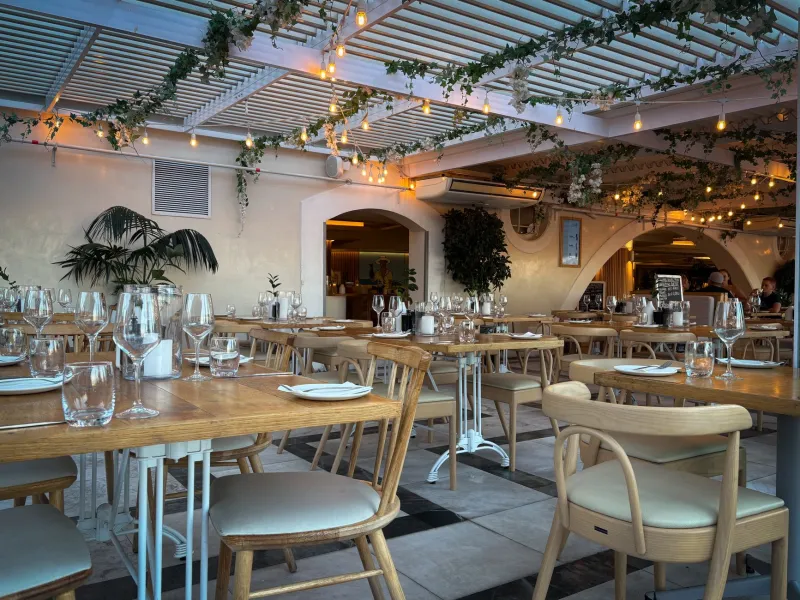
There's a particular kind of confidence that comes with walking into a well-regarded Canadian restaurant and knowing exactly how to carry yourself. Not arrogance — just ease. The kind that lets you focus entirely on the food, the company, and the moment, rather than quietly second-guessing whether you've done something wrong.
Canadian dining culture is warm by nature. Hospitality here tends to be genuine rather than performative, and most front-of-house teams will extend patience to guests who are clearly trying. But that doesn't mean there are no expectations. Across the country, from the white-tablecloth rooms of Montreal to the ingredient-driven spots lining Vancouver's back streets, a set of unwritten rules quietly governs how a great dining experience unfolds — for both the guest and the kitchen.
Here's what's worth knowing before you sit down.
Reservations Aren't Just Courtesy — They're Communication
In Canada, booking a table at a quality restaurant has become something of a seasonal sport. The window for snagging a reservation at a sought-after spot varies enormously depending on the time of year and the province you're in.
In cities like Toronto and Vancouver, popular restaurants during the holiday season or summer patio months can book out two to four weeks in advance — sometimes longer. If you're planning a special occasion, treat your reservation the same way you'd treat a theatre ticket: secure it early and guard it.
Equally important is what you do if plans change. Cancellation culture in Canadian dining is a genuine pressure point for restaurant owners. Most establishments now request credit card holds or deposits for larger parties, and for good reason — a no-show at a six-top on a Friday night can represent hundreds of dollars in lost revenue. If something comes up, call or message as far in advance as possible. It's a small gesture that carries real weight.
Dress Codes: More Nuanced Than You'd Think
Canada doesn't have a single, unified approach to restaurant dress codes, and that's part of what makes navigating them interesting. The expectations shift not just by establishment, but by region.
In Quebec, particularly in Montreal, there's a long-standing appreciation for dressing with intention when going out to eat. It doesn't have to be formal, but looking put-together is quietly noticed and appreciated. In contrast, many of British Columbia's most celebrated restaurants — especially those leaning into a farm-forward, natural wine aesthetic — operate in a much more relaxed visual register. Smart casual is usually the safe middle ground almost anywhere.
When in doubt, a quick scan of a restaurant's social media presence tells you a lot. The way a room looks in photos, the way staff dress, the general vibe of the imagery — it all signals what kind of energy the place is going for. Dressing to match that energy is a form of respect for the experience the team has worked hard to create.
The Pace of a Meal Is a Shared Responsibility
One thing that distinguishes truly enjoyable dining from a rushed or awkward one is pace — and it's a two-way street. Canadian restaurants, especially those with tasting menus or seasonal prix fixe formats, are designed to move at a deliberate rhythm. Courses are timed, the kitchen works in sequence, and your server is coordinating more behind the scenes than most guests realise.
That means arriving on time matters more than it might seem. A table that shows up 25 minutes late can disrupt the entire service flow for the kitchen, particularly during a fully booked evening. If you're running behind, a quick call goes a long way.
On the flip side, a good restaurant will never rush you. If you want to linger over dessert and a digestif, that's entirely the point. Just be mindful if you're at a smaller spot with limited tables and a busy night — reading the room is part of being a good guest.
Tipping: The Honest Truth
No guide to Canadian dining etiquette would be complete without talking about tipping, and it's worth being straightforward about it.
The standard expectation at a full-service Canadian restaurant is 18 to 20 percent on the pre-tax total for good service. For exceptional experiences — a server who genuinely elevated your evening, a sommelier who found you something extraordinary within your budget, a team that handled a complicated allergy situation with grace — 20 to 25 percent is a meaningful way to acknowledge that.
In recent years, many restaurants have moved toward tip-sharing structures that distribute gratuities across the entire team, including kitchen staff. So when you tip generously, you're often supporting more people than just the person who brought your food.
Tipping on a tablet with preset percentages has also become standard across Canada. If you feel the default options are higher than you'd like, it's always fine to enter a custom amount. What matters is that you're tipping thoughtfully and not reflexively hitting the lowest option regardless of the experience you had.
Talking to Your Server Like a Human Being
This one sounds obvious, but it's worth saying: Canadian hospitality professionals are genuinely knowledgeable, and treating them as a resource rather than an obstacle makes the whole meal better.
Ask questions about the menu. If something sounds unfamiliar, say so. If you have dietary restrictions, share them clearly and early — most kitchens will accommodate where they can, and knowing upfront is far easier than trying to adjust mid-service. If a dish doesn't land the way you hoped, a calm, honest word to your server is almost always welcomed. Good restaurants want to know.
The relationship between a diner and their server is, at its best, a small collaboration. Both parties are working toward the same thing: a meal worth remembering.
A Final Word on Presence
Perhaps the most overlooked aspect of dining etiquette — in Canada or anywhere — is simply showing up with intention. Putting the phone face-down during a tasting menu. Engaging with the story behind a dish when a server takes the time to share it. Acknowledging the craft in the room, whether it's in the food, the wine list, or the way the space has been designed.
Canadian restaurants, including the kind of experience we champion here at Resto Maynard, are built on genuine care. The chefs sourcing from local farms, the front-of-house teams memorising every ingredient in every dish, the owners who have staked everything on a vision of what hospitality can be — they notice when guests meet that effort with their own.
The unwritten rules of Canadian dining aren't really about rules at all. They're about showing up with the same warmth the room is showing you.