Five Platters, One Table: How Shared Plates Took Over Canadian Dining
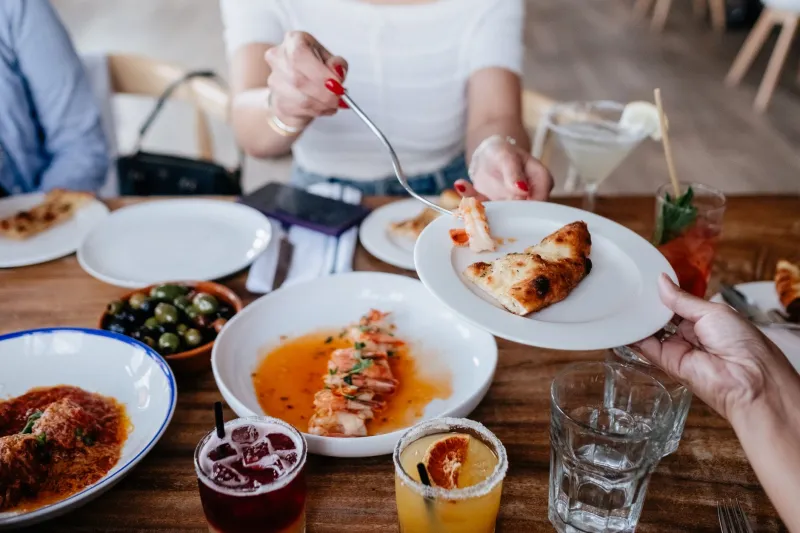
Somewhere along the way, Canadians got comfortable reaching across the table. Family-style dining — big platters, shared sides, everyone's fork in the mix — has moved from backyard barbecues to some of the most ambitious kitchens in the country. And honestly? The food is better for it.
Why Restaurants Are Ditching the Individual Plate
For chefs, the appeal is practical and creative at once. Serving whole roasted fish, braised short rib by the rack, or a casserole of lasagna bolognese lets the kitchen cook the way food actually wants to be cooked: in larger formats, over longer times, with less waste. A whole brisket sliced tableside tells a story that three identical individual portions never could.
There's an economics angle too. Bulk proteins cost less per plate, plating time drops dramatically, and portioning becomes flexible — a table of four and a table of six can order the same dishes at different quantities. In a tight-margin industry, that efficiency buys room for better ingredients.
The Questions Everyone Asks
We've fielded plenty of etiquette queries from readers dipping a toe into shared-plate dining, so here's the quick version:
Who orders what? Usually one or two shared dishes per person at the table, balanced across categories — the server will happily do the math for you.
Is it weird to take the last dumpling? Offer it around first. Then take it. This is Canada; we're polite, not monsters.
What about dietary restrictions? Flag them when booking. Most family-style kitchens will build around allergies far more easily than à la carte operations.
Five Spots Doing It Right
Vancouver — A Chinatown spot serving whole steamed fish and family-style greens that make sharing feel ceremonial rather than casual.
Calgary — Big-format barbecue where the brisket arrives by the pound and the sides come in bowls meant for passing.
Toronto — An Italian nonna-style kitchen rolling out tableside lasagnas and platters of braised meat that turn dinner into a negotiation.
Montreal — A Levantine table where mezze arrive in waves and nobody leaves hungry.
Halifax — A maritime kitchen sharing lobster rolls, chowder by the pot, and the kind of hospitality that makes strangers into friends.
The through-line at all five: food tastes better when it arrives at the middle of the table and everyone leans in. Turns out our grandmothers were onto something.