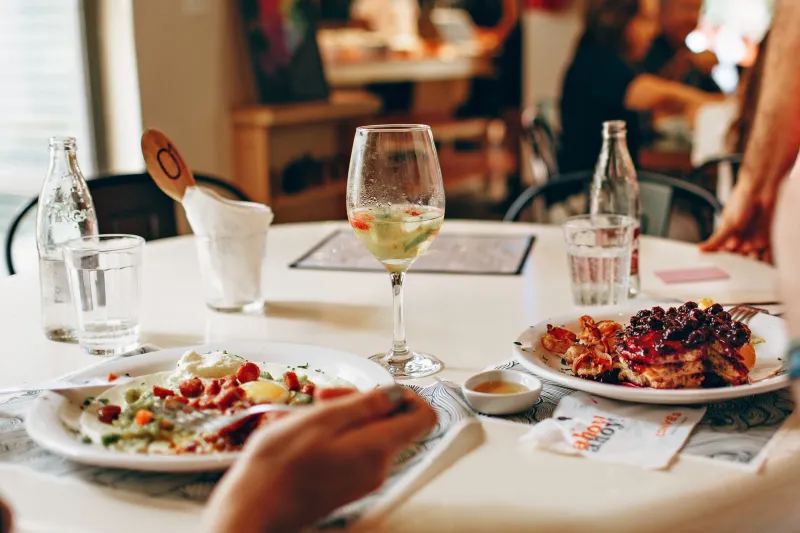
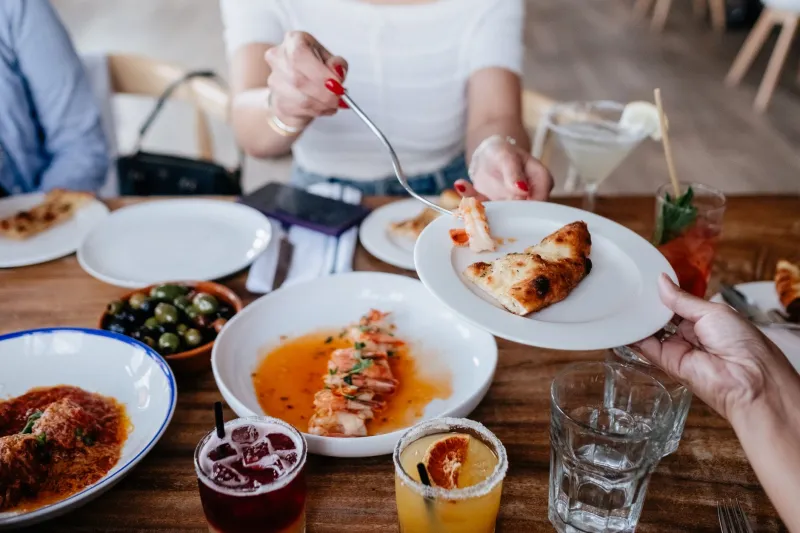
Midnight Is When the Truth Comes Out: In Defence of Canada's Late-Night Kitchens
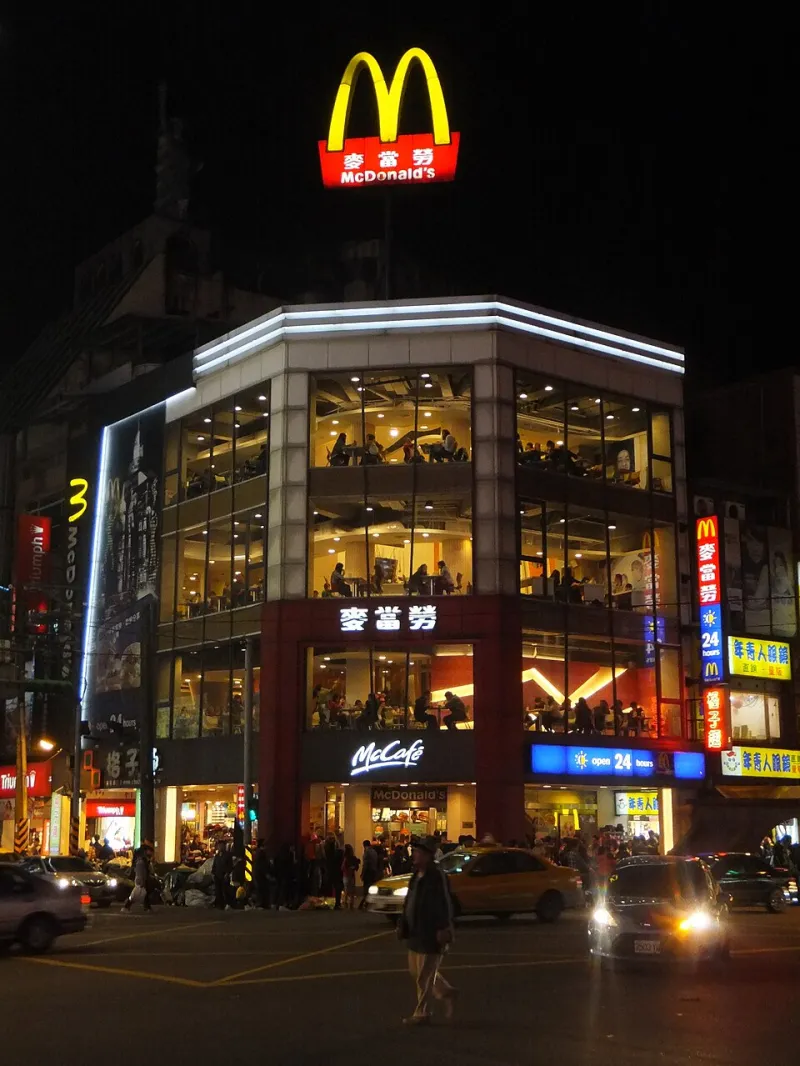
Photo: 玄史生, CC BY-SA 3.0, via Wikimedia Commons
Here's an opinion I'll defend: the 10 p.m. to close shift is the truest test of a restaurant's soul. Anyone with talent and a good booking system can shine at primetime. But the hours after ten — when the theatre thins out, the tickets slow down, and the room belongs to whoever wandered in — that's where the real hospitality lives.
The Crowd That Shows Up Late
Late-night Canada eats for different reasons. There are the post-concert tables at 11:40, still buzzing, ordering everything at once. There are the shift workers — nurses off at eleven, transit operators, warehouse crews — who deserve a hot meal at hours most of us reserve for sleep. And there are the industry people themselves: cooks and servers from other restaurants, still in their work clothes, finally hungry after feeding strangers all night.
That last group tells you everything. Ask any chef where they eat after their own shift, and follow them. Kitchen folk know which rooms stay honest at midnight, and they don't waste their limited appetite on places that phone it in.
Why the Last Ticket Matters
A restaurant's late shift is its character test. At 10:30 p.m., the kitchen has been on its feet for ten hours. The easy move is to coast — turn the room over, start breaking down stations, mentally close before the door actually does. The great rooms refuse. The last burger of the night gets the same care as the first. The final table isn't a formality; it's a guest.
Diners can feel this. There's a particular warmth in a room that's genuinely glad you came, even at 11:15 on a Tuesday in February. In a country where winter gives us every excuse to stay home, the places that keep a light on and a fryer hot are doing something quietly heroic.
The Regulars of the After-Hours
Every late-night kitchen has its constellation of regulars: the cab driver who comes in at the same time every shift, the theatre crowd that trickles in after curtain calls, the couple who've celebrated every anniversary for a decade at the corner table, always late, always welcome. These people aren't customers in the ordinary sense. They're part of the room's architecture.
And the servers who work those hours? They're a special breed — part host, part therapist, part timekeeper of the city's untold stories. Ask them what the late shift is like and they'll shrug. Then they'll tell you about the proposal that happened at the bar, the musician who played an impromptu set, the night the kitchen stayed open an extra twenty minutes because someone clearly needed a bowl of something warm.
What We Owe These Rooms
If you love Canadian food culture, love it after dark. Order properly. Tip generously. Don't wander in at 11:55 and act like the kitchen owes you a tasting menu. And when you find a spot that does it right — the diner in Winnipeg, the noodle counter in Richmond, the slice joint in Ottawa's ByWard Market — become a regular. Regulars are how late-night places survive.
Because a city without late-night kitchens is a city that's given up on its night workers, its dreamers, its musicians, and its hungry. The last table of the night isn't the least important one. It might be the most important seat in the house.