Glass Walls, Real Pressure: Life on the Line When the Dining Room Is Watching
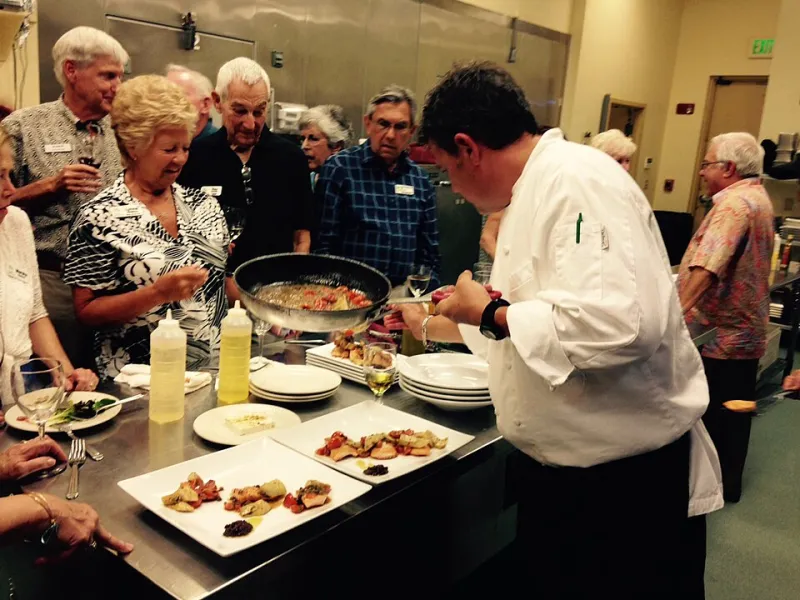
Photo: Isles Yacht Club, CC BY 2.0, via Wikimedia Commons
The pass at a busy open kitchen is a strange kind of stage. There's no curtain, no second take, and an audience of sixty people eating dinner eight feet from your mistakes. Across Canada, more and more restaurants have made this arrangement their centrepiece — ripping out walls, installing counters, putting the cook directly in the diner's sightline. It looks effortless. It is not.
Why the Walls Came Down
The open kitchen movement in Canada grew out of a simple idea: when you can see your food being made, you trust it more. Diners watch a chef sear duck breast in real time and stop wondering what happens behind closed doors. For smaller independent spots, it also solved a design problem — why spend money on drywall when the cooking itself is the best show in the room?
There's an accountability element, too. A visible kitchen has nowhere to hide. Cutting boards get wiped more often. Uniforms stay crisp. Several owners will tell you, half-joking, that the dining room is the best health inspector they've ever had.
The Choreography Nobody Claps For
What looks like casual movement is actually dense choreography refined over years. Cooks learn to communicate in glances and short calls, to plate with their bodies angled away from the crowd, to swear in ways that sound like nothing at all. When the room is watching, a dropped pan isn't just a dropped pan — it's a dropped pan with witnesses.
A veteran line cook in Ottawa put it to me this way: working a closed kitchen is like driving; working an open kitchen is like driving while being filmed. Same road, entirely different nervous system. Some cooks thrive on it. Others request a transfer to the back the first chance they get.
The Case For, and Against
The believers argue that transparency is the most honest marketing there is. Nothing builds loyalty like watching a kitchen care about a dish. Regulars develop favourite cooks. Kids press against the counter, mesmerized. The kitchen stops being a mystery and becomes part of the meal.
The skeptics push back hard. Open kitchens cost money — better ventilation, obsessive cleaning, lighting that flatters both food and staff. Performance pressure can slow a line down. And there's the uncomfortable question of whether watching people work is entertainment at their expense. One owner called it "theatre we pay for, not them," and noted that some of the best meals in the country are still made behind a door you'll never see through.
What Diners Should Know
If you're seated at the counter, a small courtesy goes a long way. A nod of thanks after a dish lands. Not filming the cook mid-rush. Understanding that a brief, intense silence during the peak of service isn't rudeness — it's concentration.
And when the kitchen exhales at the end of the night, that's a good moment to say something kind. The people behind the glass heard your conversation all evening. They're more aware of you than you realize.
Trust, Served Open-Faced
Whether it's craft or spectacle probably depends on the restaurant — and on the cook. But the best open kitchens in Canada share one quality: they stop feeling like performance and start feeling like an invitation. You're not watching dinner get made. You're in the kitchen now. Mind the heat.