Thread Count and Table Turns: The People Who Dress Canada's Dining Rooms
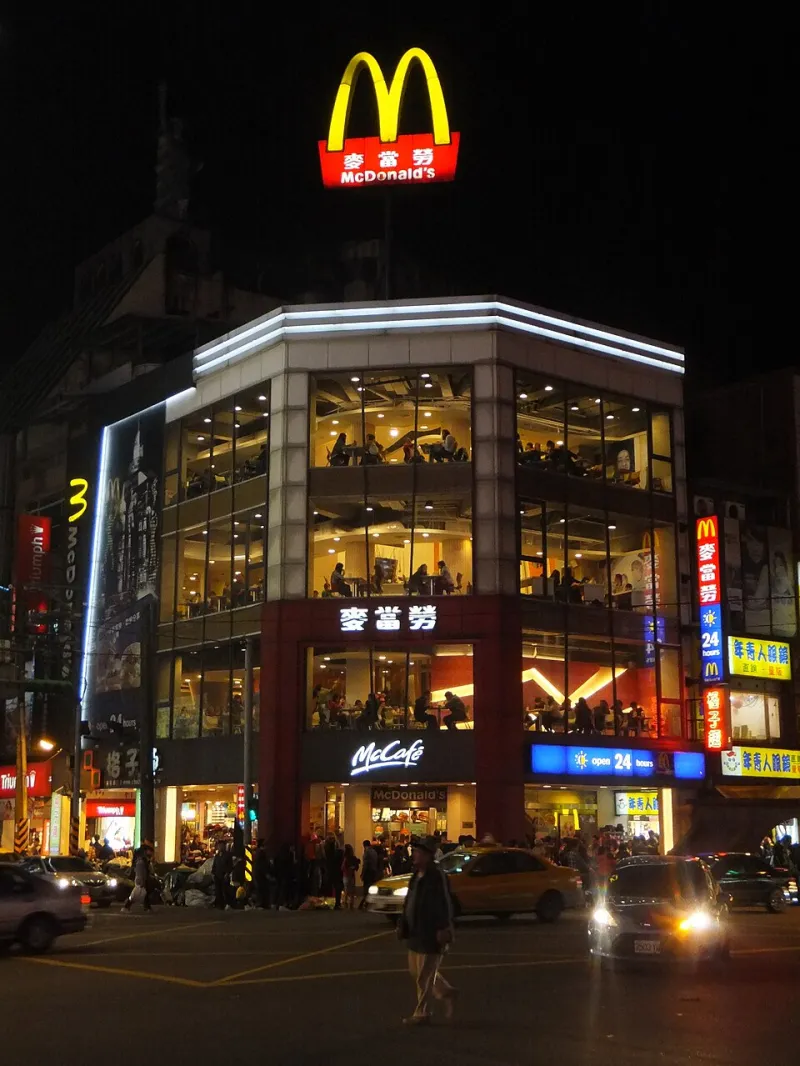
Photo: Fung IOGZZ M, CC BY-SA 4.0, via Wikimedia Commons
Every dining room in the country has a uniform, whether it admits to one or not. Sometimes it's a custom denim apron with leather ties. Sometimes it's a black T-shirt and whatever jeans survived the last double. And behind nearly every one of those looks — the sharp ones, anyway — stands a person most diners will never think about: the uniform maker.
The Apron Economy
Talk to the tailors and suppliers who outfit Canadian restaurants and you'll quickly learn that the apron has become the most contested garment in hospitality. It's the first thing a guest sees and the last thing a server touches before walking onto the floor.
A Toronto-based workwear maker who supplies dozens of restaurants describes the shift plainly: a decade ago, kitchens wanted cheap poly-cotton bibs by the dozen. Now, owners order small runs, choose fabric weights, and ask about pocket placement the way they'd ask about plateware.
"The apron is branding now," she says. "A restaurant will spend three weeks deciding on a cross-back strap. I've had owners bring in their chef's jacket like it's a suit fitting."
Form Follows Function (Mostly)
There's a practical logic under all the aesthetics. A double-stitched seam survives industrial laundering. A mid-thigh apron keeps hot pans from finding bare skin. Denim and canvas hide stains better than linen, which is why the most photogenic restaurants often choose the most forgiving fabrics.
Shoes, though, are where the romance ends. Ask any supplier what actually matters and the answer is immediate: clogs, slip-resistant soles, and arch support. Servers routinely walk eight to twelve kilometres a shift on concrete floors. The sleek sneakers on display might be for the menu photos; the actual shoes are built like orthopaedic equipment.
Local Hands, National Uniform
What's changed most in recent years is where the uniforms come from. A wave of small Canadian makers — in Winnipeg, Halifax, Montreal, and Victoria — has picked up work that used to go to overseas catalogues. Turnaround matters in an industry where a staff of twenty can double in a month, and a local tailor can hem forty aprons before the weekend rush.
There's also a sustainability angle. Restaurants refresh uniforms constantly as staff turn over, and reworking existing garments — new straps, patched pockets, resized jackets — has become its own small trade.
The Details You Register Without Knowing
Hospitality consultants will tell you that guests form impressions within seconds of walking in, long before the food arrives. The pressed shirt, the rolled sleeve, the apron that fits rather than hangs — these read as competence.
So the next time you're out for dinner, spare a thought for the stitchers. The meal on your plate gets the praise, but the person who decided your server should look that good in charcoal denim? They're part of the experience too. They just never get a line on the menu.