Reclaiming the Plate: How Canadian Chefs Are Bringing Indigenous Ingredients Back to Life
There's a moment in many Canadian restaurants right now that feels quietly significant. A server sets down a dish and begins to explain it — not just the technique or the flavour profile, but the story of where the ingredients came from, who tended the land, and why this particular plant or animal matters to the people who have known it for generations. It's a moment that's becoming more common, and more meaningful, as a wave of chefs across the country commits to sourcing and celebrating ingredients that were very nearly lost.
This isn't a trend in the Instagram-buzz sense of the word. It's something slower, more deliberate, and honestly more exciting.
The Ingredients You Didn't Know You Were Missing
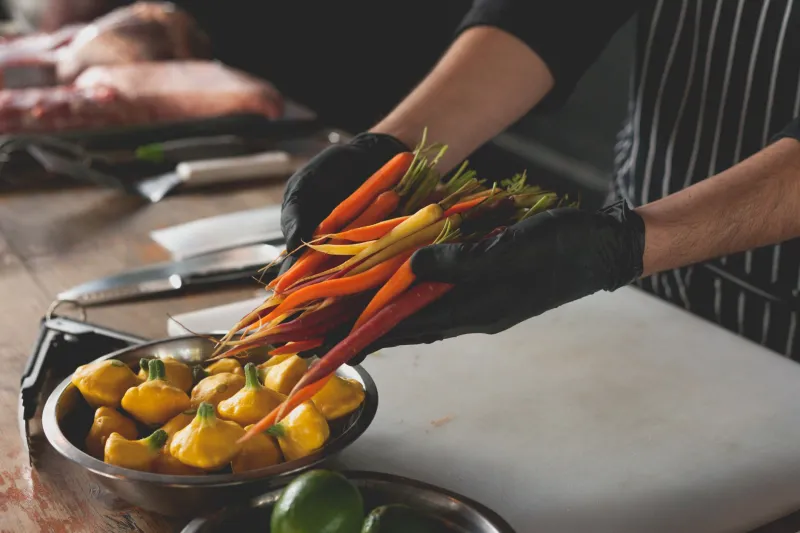
Ask most Canadians to name a traditional Canadian ingredient and you'll likely hear: maple syrup, back bacon, maybe poutine. Fair enough. But the true larder of this land runs far deeper — wild ramps pulling their sharp, garlicky scent from the forest floor in early spring, bison raised on open prairie grasslands, three sisters crops of corn, beans, and squash that sustained entire nations for thousands of years, and heritage grains like wild rice harvested from northern lakes in ways that have barely changed in centuries.
For much of the twentieth century, these ingredients were largely absent from mainstream Canadian restaurant menus. Colonial agricultural policy, land displacement, and the dominance of European culinary traditions pushed them to the margins. But Indigenous food sovereignty movements have been working steadily to bring them back — and now, a new generation of chefs is paying attention.
"When I started cooking seriously, I didn't even know what bannock could be beyond the deep-fried version," says one chef from a community-focused restaurant in Manitoba. "Learning about traditional preparation methods changed how I understood Canadian food entirely. It humbled me."
Partnership, Not Appropriation
The distinction matters enormously here, and the chefs doing this work well are the first to say so. There's a real difference between a kitchen that sources a trendy ingredient for aesthetic purposes and one that builds genuine, ongoing relationships with Indigenous producers, harvesters, and knowledge keepers.
Several restaurants across the country — from small neighbourhood spots to more elevated dining rooms — are formalising these partnerships in meaningful ways. Some work directly with Indigenous-owned farms and harvesting cooperatives, paying fair prices and crediting suppliers by name on menus. Others have invited Elders and traditional food practitioners into their kitchens as collaborators, not consultants. A few have gone further still, redesigning entire menu sections to reflect the food traditions of the specific nations whose territory the restaurant sits on.
At the heart of these efforts is a recognition that Indigenous food knowledge isn't just a collection of interesting ingredients — it's a living, sophisticated culinary tradition that deserves to be engaged with respectfully and honestly.
"We don't just buy the product and walk away," explains a chef at a Vancouver-area restaurant that has built long-standing ties with several First Nations communities on the coast. "We go out on the water. We learn why certain species are harvested at certain times. That knowledge completely changes how you cook."
What This Means on the Plate
For diners, the shift is tangible. Menus are beginning to reflect a more genuinely Canadian identity — one that goes beyond the usual flag-waving about local produce and actually engages with the deep history of this place.
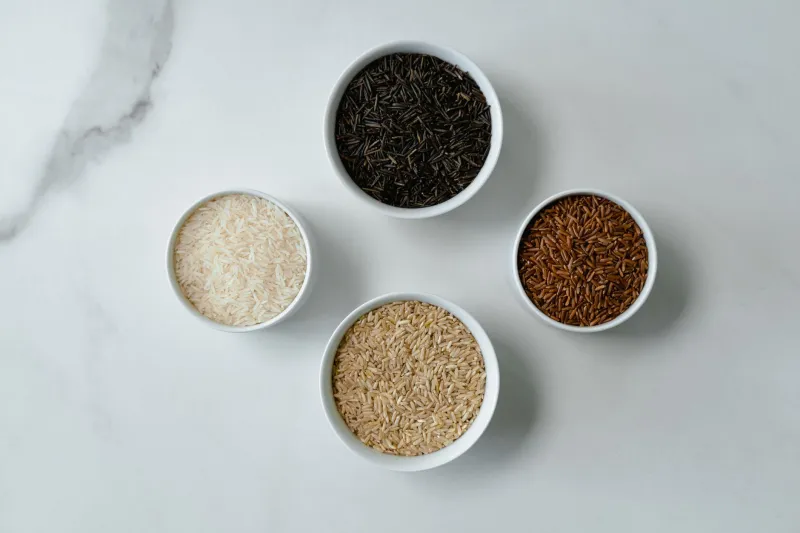
Wild ramps, for instance, have a brightness and complexity that cultivated garlic simply can't replicate. Bison, leaner and richer in flavour than beef, carries a kind of earthiness that feels appropriate to the prairies in a way few other proteins do. Traditional grains like amaranth and hand-harvested wild rice bring textures and tastes that no imported grain can substitute. Even the way these ingredients are prepared — slow, patient, often communal — tends to produce food that feels more considered.
It also means that eating at these restaurants becomes a form of education, whether diners seek it out or not. A well-written menu note, a brief conversation with a knowledgeable server, or even just the name of a producer printed beside a dish can open a window onto a part of Canadian history that many of us were never taught.
The Broader Picture
This culinary movement doesn't exist in isolation. It's part of a larger national conversation about reconciliation, land rights, and what it actually means to be Canadian. Food is, in many ways, one of the most accessible entry points into that conversation — it's immediate, sensory, and shared.
Indigenous food sovereignty advocates have long argued that control over traditional food systems is inseparable from broader questions of self-determination. When a restaurant sources bison from an Indigenous-run ranch or buys wild rice from a family operation in northwestern Ontario, it's making a small but real contribution to that sovereignty. The economic impact matters. So does the visibility.
For the chefs leading this work, the motivation is rarely purely political. It's personal. It's about making food that is honest about where it comes from and what this land truly offers. It's about cooking with integrity.
Coming to the Table
At Resto Maynard, we believe that the best meals are the ones that mean something — dishes that carry a story, connect you to a place, and reflect the people who shaped the kitchen's approach. The movement to reclaim Indigenous ingredients in Canadian restaurants is doing exactly that, and it's producing some of the most compelling food this country has ever seen.
If you haven't yet sat down to a meal that genuinely engages with Canada's Indigenous food traditions, consider seeking one out. Go in curious, ask questions, and let yourself be surprised by what this land has always had to offer. It's been here the whole time.