Off the Books and at the Table: Inside Canada's Growing Secret Dining Scene
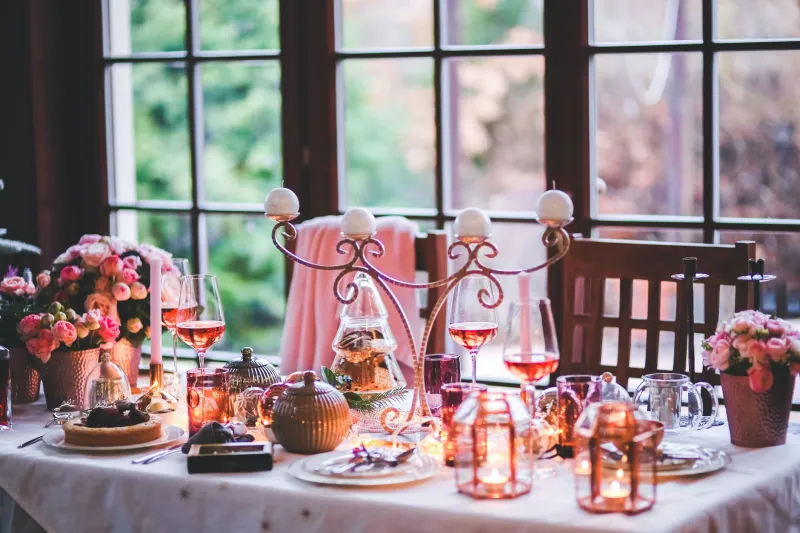
The address comes through a text message the morning of the event. Before that, you've paid a fixed amount to an e-transfer, received a brief description of the evening's menu — no dietary substitutions, no printed options — and been told to bring your own wine if you'd like something to drink. You don't know exactly who else will be there. You don't know the chef's last name. You just know the food is supposed to be extraordinary, and that's enough.
Welcome to Canada's underground supper club scene — and it's bigger, stranger, and more interesting than most people realize.
A Movement Without a Manifesto
Unlike some dining trends that arrive with press releases and Instagram strategies, the underground supper club scene in Canada has grown quietly, almost by accident. It doesn't have a unified identity or a central organizing principle. What it has is a loose network of chefs, food enthusiasts, home cooks, and curious eaters who've decided that the conventional restaurant experience — for all its pleasures — leaves certain things unfulfilled.
These gatherings take many forms. Some are elaborate multi-course affairs hosted by professional chefs who run licensed restaurants by day and private dinners on off nights. Others are organized by talented home cooks who've built loyal followings through word of mouth and social media whisper networks. Some are themed around a specific cuisine, region, or ingredient. Others are deliberately open-ended, shaped by whatever the host feels like exploring that week.
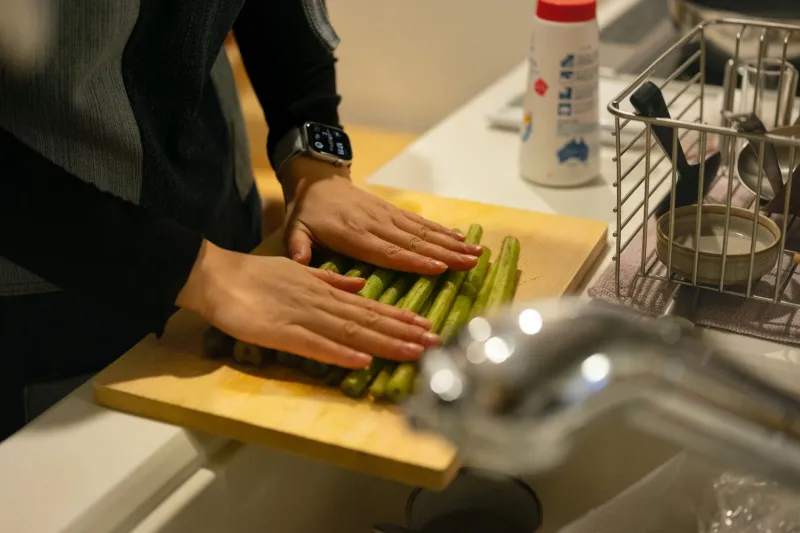
What they share is intimacy. Tables rarely seat more than twelve. The host is almost always present, often cooking in front of guests, explaining dishes, telling stories about ingredients. The line between kitchen and dining room dissolves. You're not a customer; you're a guest. It's a distinction that matters more than it might sound.
Why Chefs Are Drawn to the Margins
For professional chefs, running a pop-up or private supper club outside the licensed restaurant system offers something that conventional service rarely does: creative freedom without compromise. No investors to satisfy. No menu that has to appeal to the broadest possible audience. No pressure from a front-of-house manager to turn the table in ninety minutes.
"In a restaurant, every decision is a negotiation," said one Toronto chef who hosts a monthly private dinner for eight out of his home. "Here, I cook what I want to cook. If I want to spend three days making one component of one dish, I can. Nobody's stopping me."
That freedom produces some genuinely adventurous food. Underground dinners in Canadian cities have featured hyper-regional Indigenous ingredient menus, fermentation-forward tasting experiences, and dinners built entirely around a single producer's harvest. These are concepts that might struggle commercially but thrive in an environment where the audience has self-selected for curiosity and openness.
There's also a financial logic. Without the overhead of a commercial space — rent, equipment, staffing, licensing — a chef can charge less per head while keeping more of the revenue. Or charge the same and invest more in ingredients. Either way, the economics work differently, and for chefs burned out by the grind of conventional restaurant life, that matters.
The Legal Grey Zone (And Why Nobody's Talking About It)
It would be dishonest to write about underground dining in Canada without acknowledging the regulatory reality. Most private supper clubs and unlicensed pop-ups operate in legal grey zones at best. Serving food to paying guests out of a private home typically requires health permits. Offering alcohol without a licence is a separate issue entirely. The rules vary by province, and enforcement is inconsistent — but the rules exist.
Most participants, hosts and guests alike, are aware of this and navigate it carefully. Common approaches include framing payment as a "donation" or a contribution to ingredients rather than a service fee, operating through closed invitation networks that limit visibility, and keeping guest lists deliberately small. It's an imperfect workaround, and it does create real risk for hosts.
For many involved, that risk feels worth taking — not out of recklessness, but out of genuine belief that the current regulatory framework doesn't serve small-scale, community-oriented food experiences well. There's a quiet advocacy happening alongside the cooking: a sense that the rules should evolve to accommodate what people are actually doing.
What Diners Are Really Looking For
Ask guests why they seek out underground dining experiences and the answers tend to cluster around a few themes: connection, novelty, and the feeling of being somewhere real.
In an era of highly produced restaurant experiences — curated playlists, Instagram-optimized plating, carefully managed service choreography — there's a growing appetite for something less polished and more present. Underground dinners are messy in the best sense. The host might run behind. A dish might not land the way it was intended. Someone at the table might say something that changes how you think about food entirely. These are the kinds of moments that don't happen on a regular restaurant floor, and they're exactly what people are coming for.
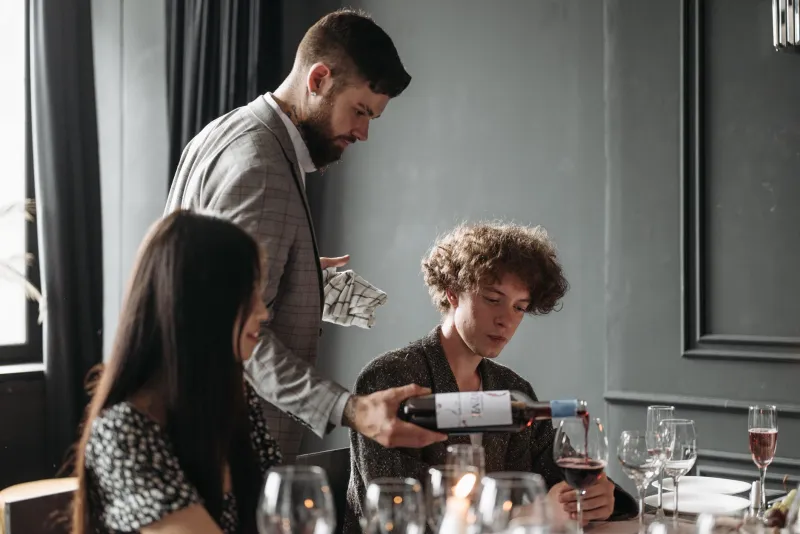
There's also something to be said about who you share the table with. At a private supper club, you're seated with strangers who all made a deliberate, slightly unusual choice to be there. The shared context creates openness. Conversations go places they don't go at a restaurant where everyone is focused on their own party.
"I've made genuine friends at these dinners," one Montreal regular told us. "Not just food friends. Real ones."
Is This the Future, or Just a Feeling?
It would be easy to overstate the significance of a dining scene that, by its nature, resists measurement. Underground supper clubs aren't replacing restaurants. They're not trying to. But they are pointing toward something real — a hunger for food experiences that prioritize depth over efficiency, community over transaction, and genuine creativity over reliable execution.
Whether that signals a broader shift in how Canadians want to eat together, or whether it remains a niche pursuit for a particular kind of food obsessive, probably depends on how the mainstream dining world responds. Some restaurants are already borrowing from the playbook — chef's tables, communal seating, single-menu formats — trying to capture that feeling of intimacy at scale.
But for now, the secret dinners keep happening. The texts keep going out. And somewhere in a home kitchen across Canada tonight, a chef is plating a dish for twelve people who have no idea what's coming next — and wouldn't have it any other way.