Scraps to Stars: The Canadian Chefs Turning Food Waste Into Their Best Dishes
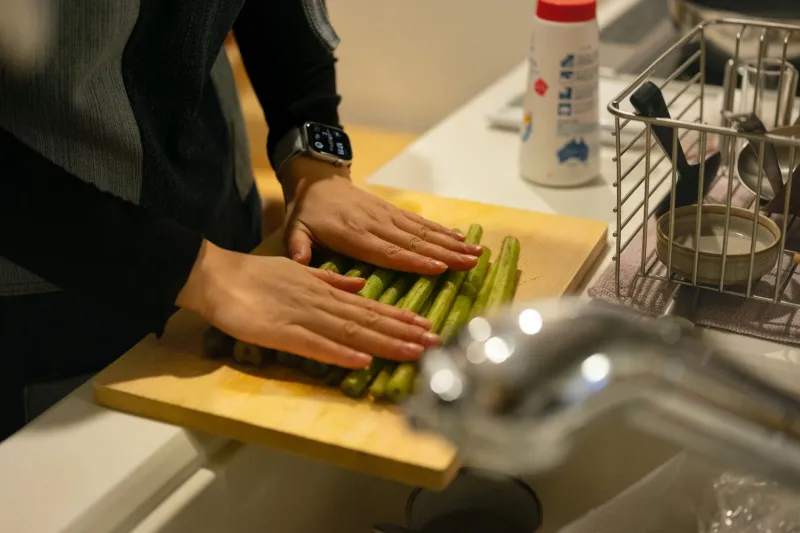
There's a broccoli stem sitting in most restaurant kitchens right now, waiting to be thrown out. For decades, that's exactly what happened — the florets went to the plate, the stem went to the bin, and nobody thought much about it. But walk into a growing number of Canadian restaurants today, and that stem might be shaved thin, dressed with a punchy vinaigrette, and sitting at the centre of a dish that's getting more attention than anything else on the menu.
This is the quiet revolution happening in kitchens from Victoria to Halifax, and it's changing the way Canadians think about waste, value, and what it actually means to cook well.
The Ingredient Nobody Wanted Is Now the Ingredient Everyone's Talking About
Chef-driven zero-waste cooking isn't new as a concept — frugality has always been a part of professional kitchen culture. But what's shifted in recent years is the framing. Scraps aren't being hidden or apologized for anymore. They're being featured, explained, and celebrated. Canadian chefs are increasingly proud of the provenance of what's on the plate, including the parts that used to be considered unworthy of it.
In Winnipeg, one chef has built an entire weekly tasting menu around whatever the kitchen would otherwise discard. Carrot tops become pesto. Corn cobs go into a smoked broth. The whey left over from house-made cheese gets folded into bread dough. Nothing leaves the kitchen without purpose. "When you commit to using everything, it forces you to be more creative than you'd ever be otherwise," she says. "The limitations become the inspiration."
That spirit is echoed across the country. In Vancouver, a well-regarded fish restaurant has made its off-cuts a point of distinction — collars, cheeks, and frames that would typically be discarded are now slow-roasted, cured, or turned into rich stocks that form the backbone of the entire menu. In Toronto, a plant-forward kitchen composts almost nothing, running vegetable scraps through a series of ferments, dehydrations, and pickles that eventually circle back to the plate in transformed form.
Nose-to-Tail Gets a New Chapter
The nose-to-tail philosophy has been part of serious Canadian cooking for a while now, but it's broadening. Where the movement once focused primarily on meat — using offal, trotters, and lesser cuts alongside the prized loins and racks — today's version extends to every corner of the kitchen.
Vegetable-forward cooking has pushed chefs to think about plant waste with the same rigour once applied to whole animals. Onion skins, fennel fronds, mushroom stems, citrus peels, and even the liquid from tinned chickpeas (aquafaba, for the uninitiated) are all finding their way into intentional dishes. The result is menus that feel more layered and more honest — because they reflect the full reality of an ingredient, not just its most photogenic part.
Some Canadian chefs are also tackling surplus ingredients head-on, partnering directly with farmers and distributors to take on produce that's too small, too large, or too oddly shaped to sell through conventional retail. Ugly carrots taste exactly like beautiful ones. Misshapen tomatoes are often more flavourful. "We get the best tomatoes of the season every year," one Ontario chef noted, "because the grocery stores won't take them. Their loss, honestly."
When Sustainability Becomes the Selling Point
For a long time, zero-waste cooking was treated as a behind-the-scenes virtue — something restaurants did quietly, maybe mentioned on their website, but didn't necessarily lead with. That's changed. Canadian diners, particularly younger ones, are increasingly interested in how their food is sourced, handled, and prepared. Transparency about waste reduction isn't just ethically appealing; it's become genuinely marketable.
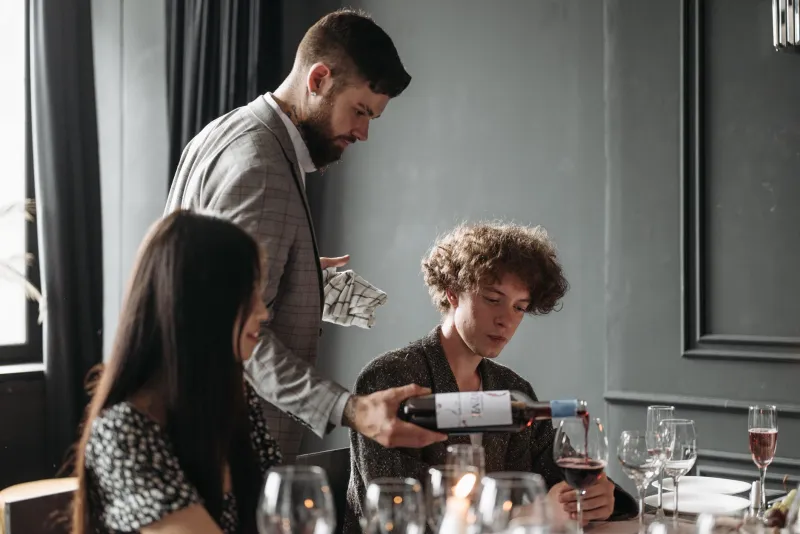
Several Canadian restaurants now explicitly describe their waste practices on their menus or through tableside conversations. Some run regular "scraps dinners" — prix-fixe events built entirely around what the kitchen accumulates over a week. These events often sell out faster than regular service, which tells you something important: people aren't just tolerating the sustainable approach, they're actively seeking it out.
Food waste in Canada is a significant issue at scale — estimates suggest that roughly half of all food produced in the country is lost or wasted somewhere along the supply chain. Restaurants represent just one part of that picture, but they're a visible and influential one. When a chef makes a point of using everything and talks about why, it sends ripples outward.
The Creative Upside of Constraint
There's something worth saying about what happens to a kitchen when waste reduction becomes a genuine priority rather than an afterthought. Cooks start paying closer attention. They think differently about prep. They ask more questions about where ingredients come from and what happens to every part of them. The discipline sharpens the craft.
Several chefs interviewed for this piece used the same word unprompted: fun. Using the whole ingredient, solving the puzzle of what to do with the parts nobody wanted — it turns out that's genuinely engaging work. It pushes kitchens out of routine and into problem-solving mode on a daily basis.
For diners, the payoff is real too. Dishes built around scraps often carry more depth than their conventional counterparts — because the cook had to think harder, be more inventive, and understand the ingredient more fully to make them work. That broccoli stem dish? It might just be the best thing on the menu. It almost certainly took the most thought to put there.