The Bill Is Part of the Meal: A Better Ending for Canadian Diners
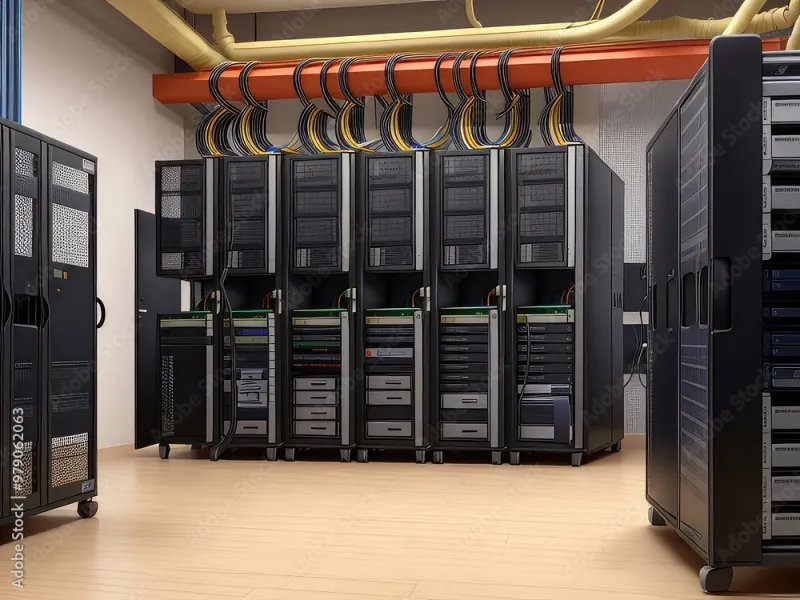
Photo: server presenting a bill folder to guests at a Canadian restaurant table, warm dining room, card reader on table, via as1.ftcdn.net
The Last Thing You Touch
You can cook a beautiful meal, pour the right wine, and read the table perfectly. Then the check arrives and the mood deflates. Not because of the total, necessarily. Because of the fumble: the missing split, the card reader that faces the wrong way, the service fee nobody explained, the tip screen that feels like a test.
The bill is not paperwork. It is the last act of service. In Canada, where card readers come to the table and tipping prompts are part of the ritual, the check is also a little theatre. Restaurants should direct it as carefully as they direct the rest of the night.
Split Bills Are Not a Crisis
A group asks to split the bill and the room tenses. That tension is optional. Modern point-of-sale systems can split by seat, by item, or evenly. The problem is usually not technology. It is the decision to wait until the end to ask.
Good service asks early: 'Will this be one bill or separate?' It keeps seats straight. It does not make a guest feel cheap for wanting to pay for their own meal. It does not punish the table with a lecture about how splitting takes time. If a restaurant can track a tasting menu across five courses, it can track who had the lamb.
Tipping Prompts Need Clarity, Not Guilt
Tipping is a Canadian habit with a long, complicated history. This is not an argument for ending it. It is an argument for making the moment honest. A terminal that suggests 18, 20, or 25 per cent before the guest has even caught their breath is not hospitality. It is pressure with a touchscreen.
Restaurants can do better. Explain what the tip supports. Make the default sensible. If a service fee is added, say so on the menu, train staff to explain it, and make sure the guest knows where it goes. Surprise charges are not a clever way to protect the margin. They are a quick way to make a good meal feel like a transaction.
The Ritual Matters
The best check service is almost invisible. The server notices the table is finished. They ask if there is anything else. They bring the bill when it is wanted, not when the table needs to turn. They give the guest a minute to look it over. They do not hover. They do not vanish for fifteen minutes.
Small choices add up. Present the bill in a way that feels considered. Ask whether the guest wants to pay at the table or at the counter. Keep a human nearby if the restaurant uses QR payment. Say thank you like you mean it. These are not frills. They are the difference between a meal that ends and a meal that lingers.
The Check Is a Review of the Whole Night
Guests often remember the ending more clearly than the middle. A warm goodbye can soften a slow appetizer. A clumsy bill can sour a perfect main. That is why the last ten minutes deserve a manager's attention, not just a server's muscle memory.
At Resto Maynard, the bill is treated as part of the room. It should be clear, quick, and free of surprises. It should make the guest feel taken care of, not processed. The meal is not over when the plate is cleared. It is over when the guest walks out the door with the feeling that the night was handled well from start to finish.
A Better Last Bite
Canadian restaurants are getting more thoughtful about sourcing, menus, and the stories behind the food. The check should get the same treatment. A clean split, a clear fee, a calm payment, a genuine thank-you—none of these are glamorous. They are just hospitality, arriving at the moment the guest is most ready to notice.