The Kitchen Has to Answer First: Building Real Allergen Trust in Canada

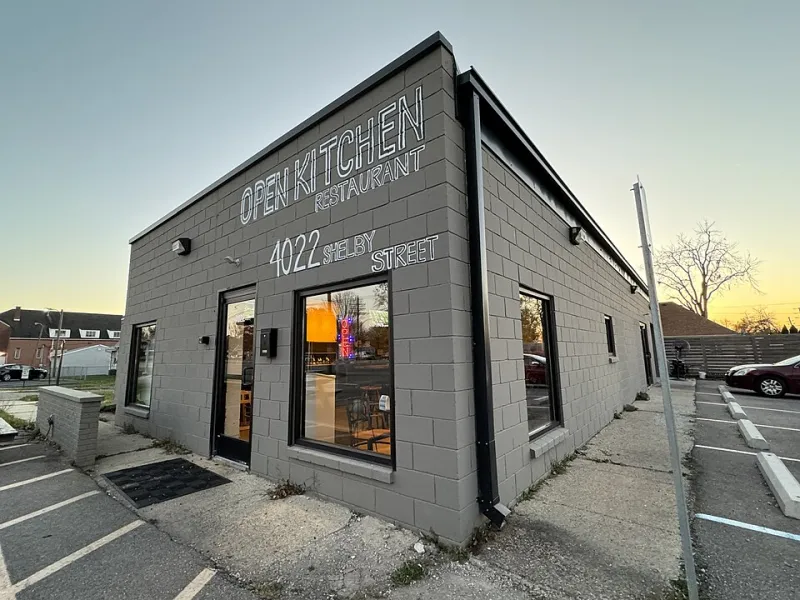
Photo: Brian Robert Marshall, CC BY-SA 2.0, via Wikimedia Commons
The Answer That Stops the Meal
A diner asks whether the sauce has sesame. The server says, 'I think it is fine.' That sentence is where allergen hospitality either begins or collapses. 'I think' is not a safety plan. It is a guess with a smile. For the guest, the stakes are not about preference. They are about breathing, hives, digestion, a trip to the hospital, or worse.
In 2026, Canadian kitchens know this better than they once did. But knowing and doing are different things. The restaurants that get it right treat allergens as part of the back-of-house system, not as a script for the front door.
The Work Before the Plate
Real allergen hospitality starts with training that reaches beyond servers. Prep cooks need to know which boards are used for what. Dishwashers need to know why a shared cloth or a splash of fryer oil matters. Runners need to know that the plate they are carrying has been handled separately. Chefs need a current allergen matrix that matches the menu on the floor, not the menu from last season.
That matrix is not glamorous. It is a spreadsheet, or a binder, or a shared document with every dish, every component, and every supplier label checked. It has to be updated when a sauce changes, when a purveyor changes, when a special gets added at 5 p.m. on a Friday. It has to include the priority allergens that Canadian kitchens hear about most often: peanut, tree nuts, sesame, milk, egg, wheat, soy, seafood, mustard, and sulphites. It also has to leave room for the guest whose list does not fit neatly into a category.
Menus Should Not Hide the Risk
A menu is a promise, even when it is printed on a QR code. If allergen information is impossible to find, the guest has to rely on whoever answers the phone. That can work, but it should not be the only plan. Clear icons, plain-language notes, and a visible invitation to ask are better than a vague request to inform your server.
Language matters, too. 'Gluten-friendly' is not the same as 'gluten-free.' 'Dairy-free' needs to mean more than 'no milk added.' A kitchen that cannot guarantee a dish should say so plainly, then offer a real alternative. That is not bad hospitality. It is honest hospitality.
Where It Still Goes Wrong
The gaps are familiar. High turnover means a server who was trained in June may be gone by September. A busy rush can turn a careful question into a rushed answer. Shared fryers, shared grills, and shared prep surfaces create cross-contact that no menu icon can solve. Delivery and takeout add another layer, because the guest is not there to ask the follow-up question.
There is also a cultural problem in some rooms: the allergy guest is treated as a liability, a hassle, or a challenge to the kitchen's creativity. Diners can feel that. They hear the sigh. They see the eye-roll. They learn to order the safest thing and say less. That is a failure of hospitality, not a failure of the guest.
What Good Looks Like
Good allergen service has a rhythm. One person owns the question. The server says, 'I will check with the chef and come back,' and then actually comes back. The chef confirms the ingredients and the process. The order is flagged in the kitchen. The plate is handled with clean equipment and delivered with a clear description of what was done. If something cannot be guaranteed, the guest hears that before the plate arrives, not after.
Good menus make the first check easier. Good training makes the second check reliable. Good service makes the guest feel like a person, not a problem.
At Resto Maynard, the rule is simple: if we cannot answer confidently, we do not guess. We check, we say what we know, and we say what we cannot promise. That is not a liability exercise. It is the least a kitchen can do when someone trusts it with dinner.
Trust Is the First Course
Allergen hospitality will never be perfect in every Canadian restaurant, and no guest should have to gamble. But the direction is clear. The best kitchens are moving away from vague reassurance and toward visible systems, plain language, and a culture where asking is normal. The question 'Can I eat this?' deserves more than a shrug. It deserves an answer that has been prepared before the guest sits down.