Four Burners and a Performance: What the Open Kitchen Doesn't Show You
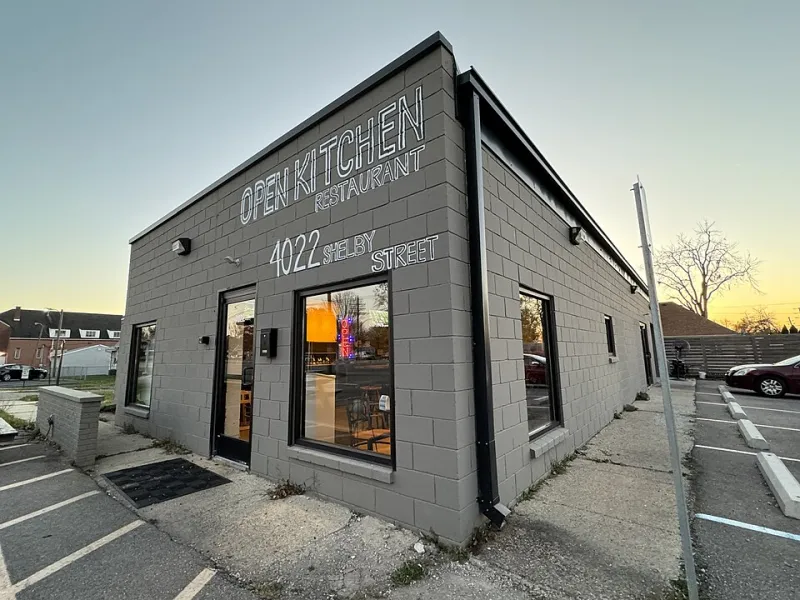
Photo: Missvain, CC BY 4.0, via Wikimedia Commons
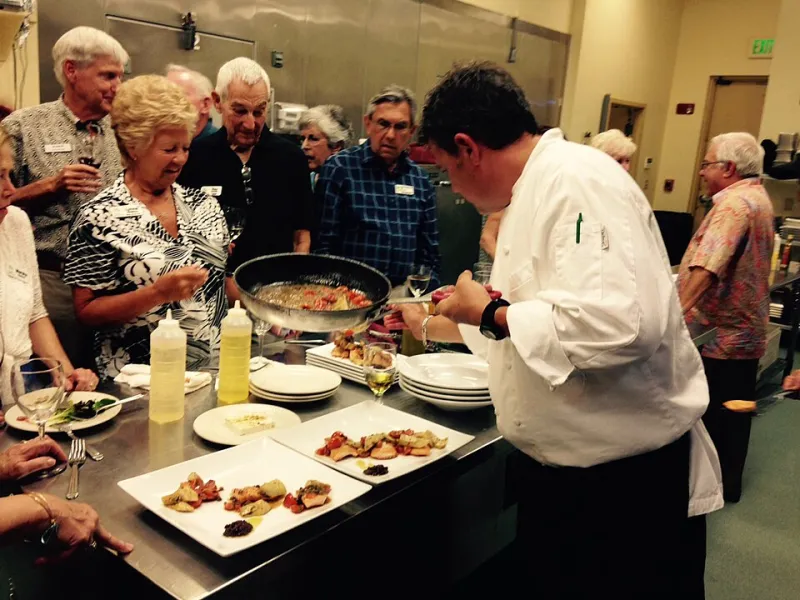
There's a particular kind of confidence required to cook in front of strangers. At a growing number of Canadian restaurants — from Vancouver's open-plan bistros to the counter-service spots along Toronto's Ossington strip — the kitchen wall has come down, and diners are sitting close enough to hear the sizzle.
But here's the thing the chefs will tell you when the dining room empties out: what you're watching isn't the whole show. It's the dress rehearsal performed twice nightly, with all the messy parts edited out.
The Work Happens at 7 A.M., Not 7 P.M.
Ask any chef running an exposed line and they'll admit the same thing: the real labour starts hours before the first guest sits down, in a basement prep kitchen or a back room nobody photographs.
"By the time service starts, everything is portioned, par-cooked, blanched, and labelled," says one Montreal chef de cuisine who has worked both closed and open kitchens. "What the guests see is assembly. Beautiful assembly, but assembly."
That's not deception — it's necessity. There is no world in which a 60-seat dining room waits two hours for a braised short rib. The open kitchen shows you the final ten percent of a dish's journey, staged to look like the whole thing.
Choreography You're Not Supposed to Notice
Chefs running exposed lines think constantly about optics. Where does the raw protein go? Not on the pass where a diner might watch a chicken breast sit in its own juices. That work happens offstage.
Timing tricks are part of the craft, too. Sauces are held at precise temperatures so plates can be finished in ninety seconds flat — because ninety seconds is about how long a guest will watch their food being made before the magic wears off.
There's also the matter of who works the visible line. More than one kitchen manager admits that the calmest, most camera-ready cooks get the evening's exposed stations, while the chaotic energy of a Friday rush gets absorbed by the back-of-house crew you'll never see.
"It's like a hockey game," one Halifax chef puts it. "The play looks smooth on the ice. Nobody sees the morning skate."
The Illusion Works Both Ways
Interestingly, most chefs insist the openness isn't a con — it's a contract. Guests who can see their food being cooked tend to complain less, tip better, and forgive the occasional slow ticket. Studies out of hospitality programs have long suggested that visible kitchens reduce perceived wait times.
But the transparency has limits, and chefs know exactly where they are. Nobody installs a window into the dish pit. Nobody puts the walk-in cooler on display. The open kitchen is curated honesty: real fire, real hands, real timing — with the unglamorous machinery tucked neatly out of frame.
What to Watch For Next Time
If you're seated at the counter, here's a little decoder from the people behind the pass:
- The quiet cook is usually the most senior. Loud kitchens are often nervous kitchens.
- The constant wiping isn't just cleanliness — it's theatre. A clean station reads as a competent station.
- The pause before plating is deliberate. Chefs will hold a plate an extra beat to let the room catch up.
None of this is a trick in the cynical sense. It's hospitality, the same way a dining room dims the lights before dessert. The open kitchen was never about showing you everything. It was about showing you the best version of everything — and in Canadian dining rooms, that performance is getting better every year.