Cold Outside, Brilliant Inside: How Canadian Chefs Turn Winter Into Their Best Season Yet
There's a moment every November when Canadian chefs have to make a choice. The last of the harvest is winding down, the farmers' market stalls are thinning out, and the easy abundance of summer is officially over. For some, that might sound like a problem. For the best kitchens across this country, it's more like an invitation.
Winter dining in Canada has a reputation it doesn't entirely deserve. People assume that cold months mean boring menus — the same root vegetables roasted the same way, week after week, until the crocuses come back. But spend some time talking to chefs from St. John's to Victoria, and you'll hear something very different. You'll hear about the quiet thrill of working with what's actually here, right now, in this season, in this place.
The Larder Mentality Makes a Comeback
For most of human history, getting through winter meant planning ahead. Root cellars, salt packs, fermentation crocks, and preserved jars weren't nostalgic touches — they were survival. Canadian culinary tradition is deeply tied to this kind of thinking, even if modern supply chains made it easy to forget for a while.
What's happening now in a lot of thoughtful Canadian restaurants is a deliberate return to that larder mentality, not out of necessity but out of genuine culinary conviction. Chefs are spending their summers and falls putting things up — pickling fiddleheads, fermenting cabbage, smoking fish, preserving stone fruit — specifically so that winter menus can reflect a sense of place rather than a generic cold-weather playlist.
The result is food that tastes like it belongs to a particular moment and geography. A jar of fermented beets from a New Brunswick farm, cracked open in January, carries something in it that a fresh imported beet simply can't match. There's depth there, a kind of earned complexity that only time and craft can produce.
What the Maritimes Do With Winter Seafood
One of the quiet secrets of Canadian winter dining is that the ocean doesn't stop giving just because the temperature drops. In fact, some of the most prized seafood along the Atlantic coast is at its very best in colder months.
Dungeness crab, oysters, and certain species of groundfish actually benefit from the cold water, developing firmer texture and more concentrated flavour. Maritime restaurants that lean into this seasonal reality — rather than fighting it with imported summer produce — end up serving some of the most compelling plates you'll find anywhere in the country.
Smoked and salt-cured fish remain central to the regional tradition as well. Kitchens that cure their own salmon, smoke their own mackerel, or work with local smokehouses are continuing a practice that stretches back centuries in coastal communities. On a winter menu, a beautifully smoked fillet served alongside pickled vegetables and a dark rye bread isn't just comfort food — it's a genuine expression of where you are.
Prairie Kitchens and the Art of the Root
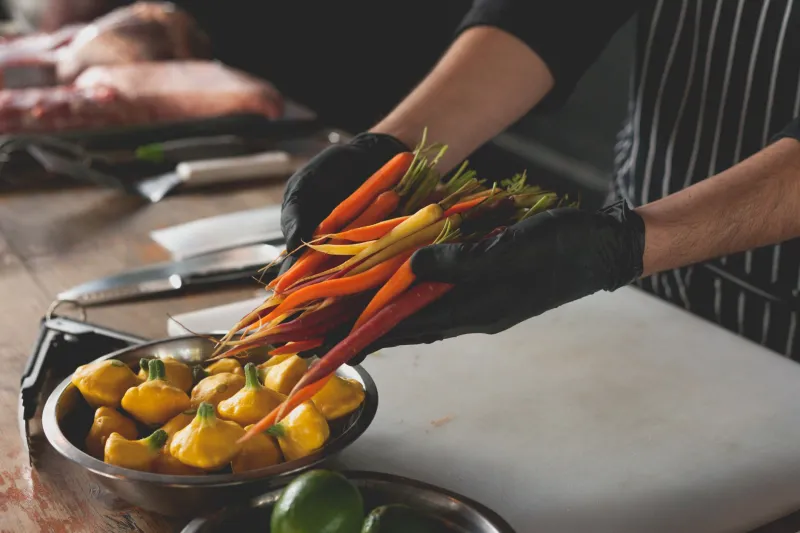
If the Maritimes have the sea to carry them through winter, the Prairies have something equally powerful: an extraordinary agricultural heritage built around crops that store exceptionally well. Carrots, parsnips, turnips, celeriac, beets, squash, dried legumes, and grains don't just survive winter storage — they often improve with it.
Chefs working in Saskatchewan, Manitoba, and Alberta have been quietly reframing the humble root vegetable as something worth celebrating rather than tolerating. A slow-roasted celeriac with brown butter and toasted hazelnuts isn't a consolation prize for the absence of summer produce. It's a dish with its own distinct identity, one that couldn't exist in July.
Fermentation has become especially important on Prairie menus. Kimchi-style fermented vegetables, sauerkraut variations, and lacto-fermented root vegetables add brightness and acidity to dishes that might otherwise lean too heavy in the cold months. These techniques, borrowed from multiple cultural traditions and adapted to local ingredients, reflect the multicultural reality of Prairie food culture in a way that feels genuinely alive.
Quebec and the Deep Winter Tradition
No conversation about Canadian winter cooking is complete without acknowledging Quebec, where cold-weather cuisine is practically a cultural institution. The province's culinary identity was shaped by long winters, and that legacy is visible in everything from the sugar shacks of early spring to the hearty tourtières and stews that anchor winter menus across the province.
But Quebec's winter food culture isn't static. Contemporary chefs in Montréal and Québec City are taking that deep tradition and pushing it in new directions — fermenting local grains, working with Indigenous preservation techniques, and finding ways to make classic comfort food feel fresh without losing what makes it distinctly Québécois.
The province also has a strong tradition of preserving summer's best for winter use. Tomato confit, herb oils, fruit preserves, and pickled vegetables made during harvest season show up on winter menus in ways that feel intentional rather than makeshift. It's a philosophy of abundance — put enough away during the good times, and winter stops being a limitation.
British Columbia's Year-Round Edge
Admittedly, BC has an easier time of it than most provinces. The Lower Mainland and Vancouver Island see milder winters that allow certain crops to keep producing well past what's possible elsewhere in the country. Kale, chard, root vegetables, and even some brassicas can be harvested through much of the winter in the right growing conditions.
But even here, the best kitchens aren't coasting on that mild climate advantage. They're still engaging seriously with preservation, fermentation, and the discipline of cooking with what's genuinely local and seasonal. The difference is that BC's winter pantry has a slightly longer list to draw from — which means the creative challenge is different, not easier.
Foraged ingredients also play a role in BC winter cooking that's harder to replicate in other regions. Dried mushrooms, preserved seaweed, and pickled coastal plants show up on menus in ways that connect the food to the land and water in a very direct sense.
Why Seasonal Scarcity Produces Better Food
There's something worth sitting with here. The assumption that more choice always means better food turns out to be pretty questionable when you actually eat your way through a well-crafted Canadian winter menu. The constraints of the season force a kind of focus that abundance can actually work against.
When a chef has twelve things to work with instead of a hundred and twenty, every decision matters more. The fermentation that went into that vegetable, the smoke that went into that fish, the weeks of slow aging that went into that cheese — these things become the story of the dish rather than the background noise.
At Resto Maynard, we think about this a lot. The idea that authentic flavours and warm hospitality go hand in hand isn't just a tagline — it's a way of understanding why food made with genuine care for place and season hits differently than food that could have come from anywhere. Winter is actually one of the best times to experience that difference firsthand.
So the next time you're looking at a Canadian menu in January and you don't see the tomatoes and corn of summer, take that as a good sign. It means someone in that kitchen is paying attention.