When the Harvest Lets You Down: How Canadian Chefs Turn Scarcity Into Their Sharpest Tool
There's a version of farm-to-table dining that looks very clean from the outside. A seasonal menu, locally sourced, changed regularly to reflect what's fresh. It sounds elegant. And it is — until a cold snap rolls through Ontario in late May, a drought cuts the Alberta grain harvest short, or a supplier calls on a Thursday morning to say the order isn't coming.
Then it gets interesting.
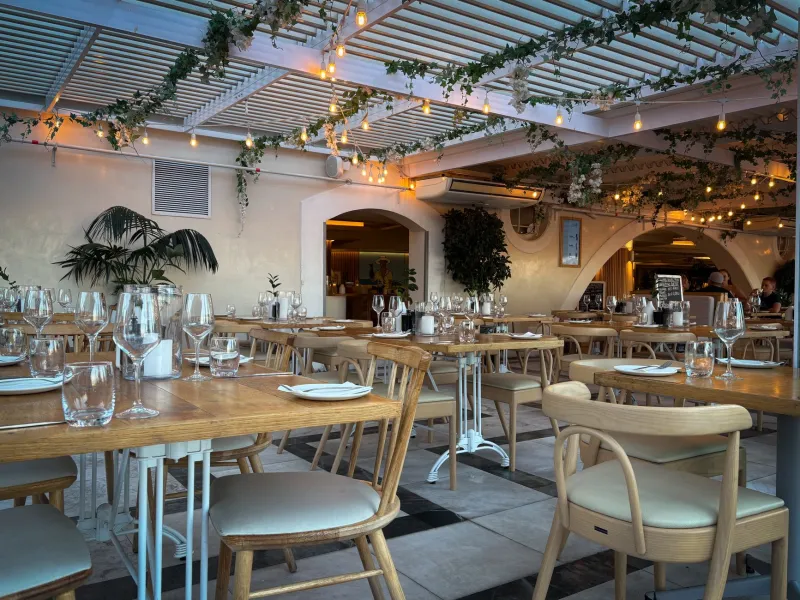
For Canadian chefs who've committed to cooking with what's genuinely available and genuinely local, ingredient scarcity isn't an edge case. It's a recurring reality that shapes how they plan, how they preserve, and — when things go sideways anyway — how they improvise. We talked to several chefs and restaurant owners across the country about what it actually looks like behind the kitchen doors when the season doesn't cooperate.
The Problem With Promising the Harvest
One of the core tensions in seasonal cooking is the gap between what a menu implies and what nature delivers. A spring menu built around ramps and asparagus makes beautiful sense in theory. In practice, ramp season in Eastern Canada can be as short as two weeks — and if a restaurant prints a menu featuring them, they'd better have a contingency.
"The menu is a living document," says one Toronto-area chef who's been cooking locally sourced tasting menus for nearly a decade. "Guests sometimes come in expecting exactly what they saw online three weeks ago, and that's a conversation we have to be ready for. But honestly, the guests who understand the model — they're excited when something unexpected shows up because something else ran out."
That reframing — scarcity as narrative rather than failure — is a common thread among chefs who've made peace with the unpredictability of Canadian growing seasons.
Preservation as a Year-Round Strategy
The chefs who handle ingredient scarcity best aren't the ones with the most creative improvisational skills. They're the ones who spent August thinking about February.
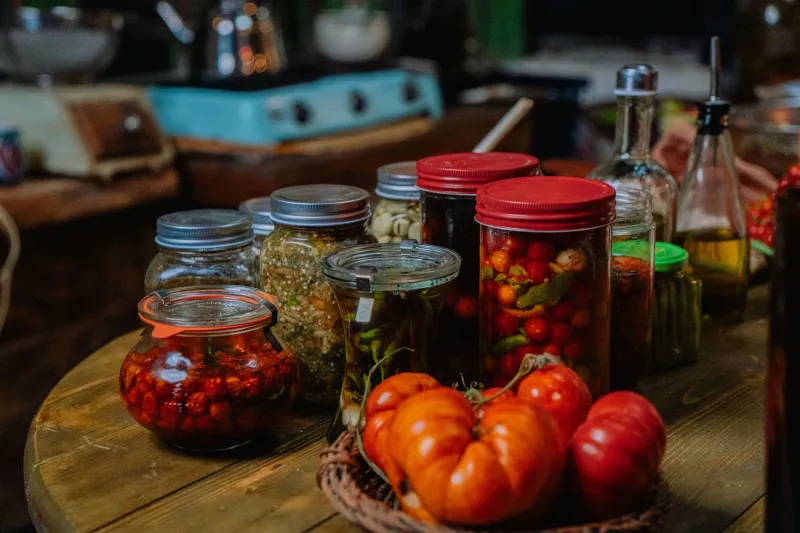
Fermentation, pickling, dehydrating, freezing at peak ripeness — these aren't backup plans. For serious seasonal kitchens, they're core infrastructure. A jar of fermented garlic scapes put up in early summer becomes the backbone of a winter sauce. Blueberries frozen at their peak from a PEI farm in July show up in a February dessert with a flavour that no imported berry can touch.
A chef running a farm-to-table restaurant in the Okanagan described her preservation program as "cooking twice" — once for now, once for later. Her kitchen team spends significant time during peak harvest building what she calls the "winter pantry": shelf-stable, frozen, and fermented stores that give the menu flexibility when local options narrow.
"People think seasonal cooking means you're restricted in winter," she said. "But if you've done the work in summer, winter is actually one of the most interesting times to cook. You're working with concentrated flavours, preserved things, root vegetables that have been in cold storage for months and are genuinely sweet. It's a different palette, but it's a rich one."
The Backup Supplier Relationship
Every chef who sources locally has, at some point, experienced the moment when their primary supplier can't deliver. A crop fails. A small farm has a bad year. A forager comes back empty-handed. What separates a kitchen that handles this gracefully from one that falls apart is almost always relationships — specifically, a network of secondary and tertiary suppliers who know the kitchen and can move quickly.
Building these relationships takes years and requires genuine investment. It means buying from smaller farms even when it's inconvenient, showing up at farmers' markets in the off-season, and making phone calls that aren't strictly necessary. In return, when something goes wrong with a primary supplier, there's usually someone to call.
"I have maybe eight farmers I work with regularly," said one chef in Nova Scotia. "But I have another dozen I stay in touch with, buy from occasionally, check in with. When my main mushroom guy had a terrible season last fall, I made three calls and had something on the table within two days. That only works because those relationships exist before the crisis."
Menu Pivots That Actually Work
When preservation and supplier networks aren't enough — when a key ingredient is simply gone and there's nothing to replace it like-for-like — the most creative kitchens pivot in ways that turn the gap into a story.
One approach is the honest pivot: telling guests directly what happened and presenting the alternative as the main event. "We lost our local strawberry supply to a late frost this year, so we're working with preserved sour cherries from last summer and they're extraordinary" is a more compelling menu note than a vague substitution.
Another approach is the conceptual pivot: stepping back from the specific ingredient and focusing on what it was meant to do in the dish. If the goal was brightness and acidity in a spring appetiser, and the citrus-forward local ingredient isn't available, what else delivers that? Fermented gooseberries. Verjuice from a nearby winery. A sharp sheep's milk cheese from Quebec.
The best kitchen improvisations tend to follow this logic — not what can I swap in but what is this dish actually trying to do, and what else can do it?
Scarcity as a Teaching Moment for Guests
There's a broader cultural shift happening in Canadian dining rooms around the topic of seasonal limitations. Increasingly, guests who frequent restaurants that cook with intention aren't just tolerating the occasional substitution — they're interested in it.
The menu note explaining why something changed, the server who can speak knowledgeably about where an ingredient came from and why it's not available right now, the chef who comes to the table and explains a last-minute pivot — these moments don't undermine confidence in a restaurant. For the right guests, they deepen it.
Cooking against the clock, as any Canadian chef will tell you, is just cooking. The seasons here are real, the weather is unpredictable, and the best food comes from working with those realities rather than around them. The kitchens that have figured this out aren't just surviving the hard seasons. They're making some of their most memorable food in them.