Before You Even Pull Out Your Chair: The Unsung Magic of Canadian Restaurant Welcomes
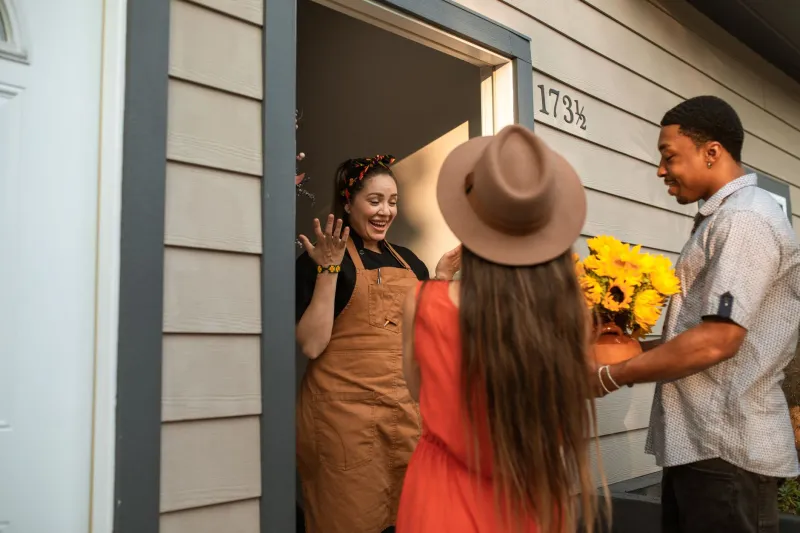
Think back to the last time you walked into a restaurant and immediately felt at ease. The temperature was right. Someone greeted you by name. The lighting didn't make you feel like you were under interrogation. You probably couldn't name exactly what made it feel good — but you felt it.
That feeling isn't luck. It's craft. And in Canada's dining scene, the art of the welcome has quietly become one of the most important — and least talked about — elements of a truly great meal.
The Reservation Call Is Part of the Experience
For a lot of restaurants, the guest relationship begins the moment someone picks up the phone or fills out an online booking form. And yet, plenty of places treat this as pure admin — a transaction to confirm a seat and move on.
The restaurants that stand apart treat the reservation process as the opening act of hospitality.
That might mean a host who genuinely asks whether the visit is for a special occasion, and then actually does something with that information. It might mean a confirmation message that includes a warm note about what's on the menu this week. Some spots in cities like Halifax, Winnipeg, and Vancouver have started following up reservations with a brief question: Is there anything we should know to make your evening more comfortable?
It sounds small. It isn't.
When a guest arrives already knowing that the team has thought about them — not just their booking number — the psychological shift is real. They're not walking into a restaurant. They're walking into a space that was, in some small way, prepared for them.
What the Entryway Actually Communicates
Canadian winters are brutal, and that creates a design challenge that restaurants in warmer climates simply don't face. A guest who's just battled -20°C and a biting wind off Lake Ontario needs more than a coat hook. They need a moment of genuine transition — a physical and emotional buffer between outside and in.
The best restaurant entryways understand this intuitively. They're warm (obviously), but they're also thoughtfully proportioned. There's space to shed a coat without bumping into a stranger. There's usually something pleasant happening at nose level — a candle, a hint of something roasting, fresh bread. The lighting shifts from the bright, utilitarian glow near the door to something softer as you move deeper into the room.
This isn't decoration. It's decompression architecture.
Restaurants in Quebec have long understood that the vestibule — that small airlock between the outer and inner door — is prime hospitality real estate. A well-placed bench, a coat rack at the right height, even a small chalkboard with a handwritten welcome message can transform what might otherwise feel like a holding pen into a genuine first impression.
The message being sent in those first ten seconds is either: we thought about you getting here — or it isn't.
The Greeting That Actually Lands
There's a version of the restaurant greeting that's technically correct and emotionally hollow. You know it when you experience it: eye contact that's a little too practiced, a smile that resets after three seconds, a scripted line delivered on autopilot.
And then there's the greeting that makes you exhale.
In Canada's most beloved neighbourhood restaurants — the kind of places that stay full for years, where the staff turnover is low and the regulars are genuinely regular — the welcome tends to share a few qualities. It's unhurried. It's specific when it can be. And it doesn't try too hard.
A host who says, "Great to see you again — it's been a couple of months, right?" is doing something powerful without being performative. A server who crouches down to table level before launching into the evening's specials is sending a clear signal: I'm here with you, not above you.
These are learned behaviours, but the best ones don't feel learned. They feel genuine — which is exactly the point.
Servers as Tone-Setters
By the time you're seated and a server approaches for the first time, the emotional trajectory of your evening has largely been set. A good server knows this and uses it.
The first table interaction is rarely about food. It's about pace and permission. A skilled server reads whether a table wants to be guided through the menu or left to explore it. They notice whether a couple is mid-conversation and needs a moment, or whether a solo diner looks like they'd welcome a bit of chat. They calibrate.
This calibration is where Canadian hospitality culture really shines. There's a particular warmth that doesn't tip into intrusiveness — a genuine interest without assumption quality that feels distinctly at home here. It's the difference between a server who checks in every four minutes because they've been told to, and one who appears at exactly the right moment because they've been paying attention.
Why It All Matters More Than We Admit
In an era where food photography, tasting menus, and celebrity chefs dominate the cultural conversation around dining, it's easy to forget that most people eating out in Canada aren't chasing a transcendent culinary experience. They're looking for a good evening. A break from the routine. A feeling of being taken care of.
The pre-dining rituals — the reservation handled with care, the entryway that eases the transition, the greeting that lands, the server who reads the room — are what make that possible.
At Resto Maynard, we think about this constantly. Because the food matters enormously, yes. But the meal starts the moment someone decides to trust you with their evening. Everything that happens before the first dish arrives is either building that trust or quietly eroding it.
The best restaurants in this country have figured out that hospitality isn't a department. It's the whole thing.