Bring Everyone to the Table: Why the Home Dinner Party Is Having Its Best Moment in Years
Not long ago, the idea of hosting a multi-course dinner for six friends on a Saturday night might have felt ambitious to the point of exhausting. The cooking, the timing, the table setting, the worry that something would go wrong — it seemed like a lot to take on when a group reservation at a good restaurant solved the same problem with less stress.
But something has changed. Across Canada, more people are choosing the longer table, the mismatched wine glasses, and the slightly chaotic charm of feeding people at home. And they're doing it with an intentionality that feels, honestly, a lot like what the best restaurants do.
The Shift That's Actually Happening
This isn't just nostalgia for a certain kind of dinner party. It's something newer — and it's being driven, in part, by a generation that grew up eating out and has started asking what it would look like to bring some of that experience home.
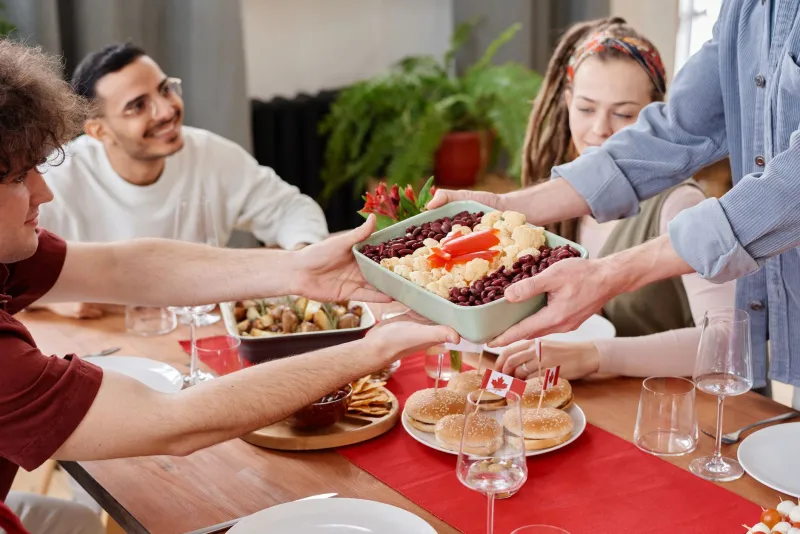
The family-style meal, in particular, has taken hold in a way that feels distinct from earlier iterations of home entertaining. Rather than the plated, precise dinners that once defined hosting ambitions, the current version is more generous and less formal. Big shared platters. A mezze spread that takes up half the table. A roast that gets carved in front of everyone. The food becomes participatory rather than presentational — and that changes the whole energy of the evening.
Social media has played a role, obviously. Watching restaurant chefs talk about their food online, following the journeys of Canadian producers and farmers, and seeing beautifully styled home tables shared by food-forward hosts has made the multi-course dinner party feel accessible in a way it perhaps didn't before. But the motivation goes deeper than aesthetics.
"There's something about sitting around a table with people for three hours that you just can't replicate anywhere else," says a home cook in Montreal who hosts monthly dinner gatherings for rotating groups of friends. "Restaurants are wonderful, but when you're at home, nobody's looking at the time. Nobody's worried about the table turning. You can just be there."
What Restaurants Have Taught Us About Hosting
One of the more interesting dynamics in this trend is how directly it draws on restaurant culture. People who eat out regularly — who've experienced a well-timed meal, a thoughtfully introduced dish, a server who set the tone for the evening — are bringing those instincts home.
This shows up in small but meaningful ways. The home host who greets guests at the door with something to drink immediately, before coats are even off, is doing what a good restaurant does: signalling that the experience has already started. The host who plans a meal with a clear arc — something light and conversational to begin, a main that demands attention, a dessert that slows things down — is thinking about pacing the way a good kitchen does.
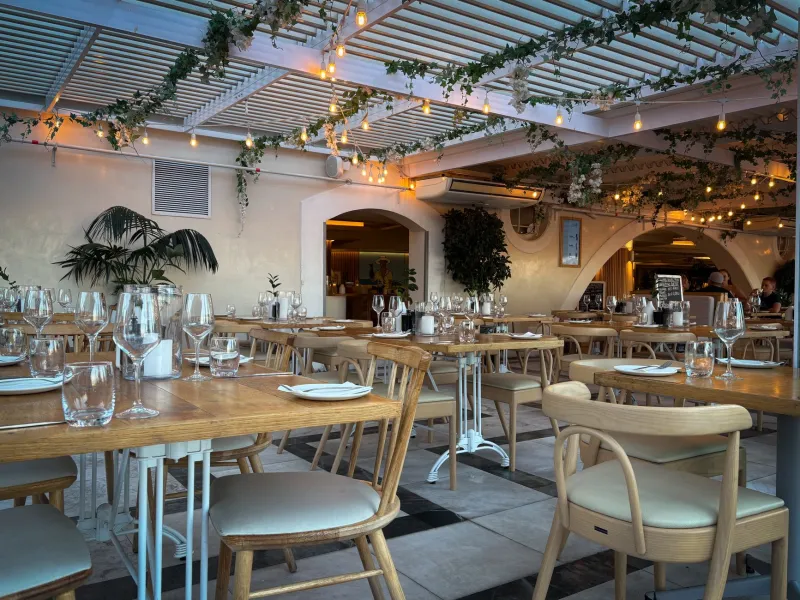
At Resto Maynard, we see this reflected in the conversations we have with our guests. People come in, they notice something — the way the bread arrives warm before anyone asks, the way a dish is introduced with a little context, the way the evening has a shape to it — and they start thinking about how to recreate that feeling at home.
Practical Tips for Hosting Like You Mean It
If you're thinking about leaning into this trend, here's what actually makes the difference between a dinner that feels special and one that just feels like a lot of work.
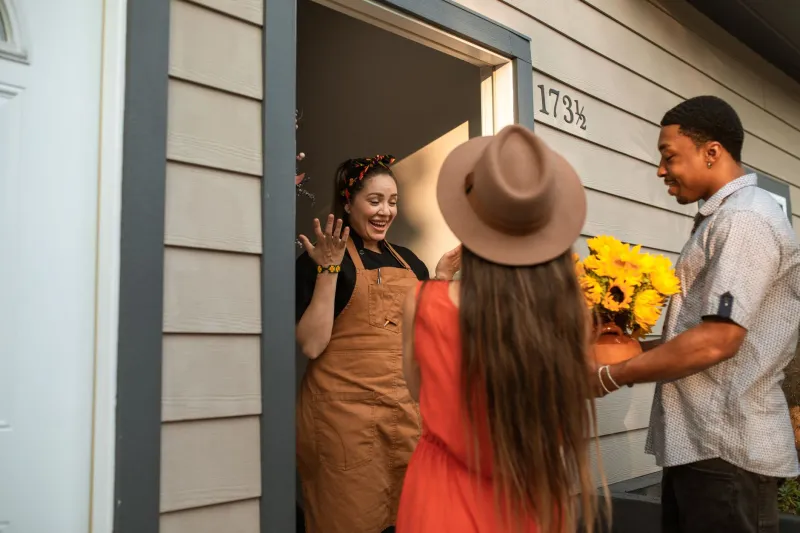
Start before they arrive. Set the table before your first guest shows up. Light a candle. Put on music at a volume where conversation doesn't have to compete with it. Have something ready to pour immediately — wine, a non-alcoholic option, sparkling water. The first five minutes of a guest's arrival set the emotional temperature for the whole evening.
Cook less than you think you need to. The temptation when hosting is to over-cater out of anxiety. But a three-course meal done well is far more satisfying than five courses where the host is frantic in the kitchen for half the evening. Two big shared dishes and a killer dessert will be remembered longer than a technically impressive spread that left you exhausted and distracted.
Build in a pause. The best restaurant meals have natural breaks — moments where the pace slows and conversation takes over. Plan this deliberately. Clear the appetiser dishes, refill glasses, and let things breathe before the main arrives. It sounds simple, but it's the difference between a meal that feels rushed and one that feels like an event.
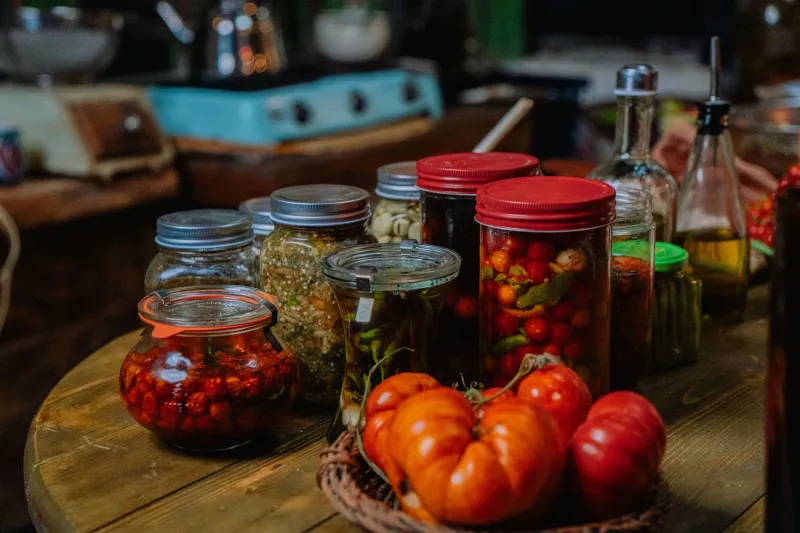
Talk about the food. Not in a pretentious way — but in the way a good server does. "This is a recipe I've been tinkering with for months" or "the tomatoes are from the market and they're insane right now" gives people a way into the food that makes eating it more pleasurable. Context is flavour.
Make the ending intentional. Great restaurants don't just stop — they close. A small bite of something sweet, a digestif, a move from the table to somewhere more comfortable. Think about how the evening ends, not just how it begins.
The Real Point of All of It
There's an argument to be made that the resurgence of the home dinner party is a response to something broader — a collective hunger for the kind of connection that's harder to find in a culture that increasingly defaults to individual, screen-mediated experience.
Food has always been the most reliable technology we have for getting people into the same room and keeping them there. The multi-course meal, whether it happens in a restaurant or around someone's dining table, creates time. It creates the conditions for the conversation that doesn't happen in a half-hour coffee or a quick catch-up text.
The best restaurants have always understood this. They're not just feeding people — they're creating a container for something that matters. The home hosts who are picking up that thread and running with it are onto the same thing.
Set the table. Invite people over. Cook something that takes a little effort. See what happens when nobody's in a hurry to leave.